Smart Devices That Simplify Your Morning Routine

Mornings can be a delicate balance of time, energy, and routine. For many, the first hour of the day sets the tone for everything that follows. While some prefer a slow, unhurried start, others need to move quickly and efficiently. In recent years, smart technology has introduced new ways to approach these daily rituals. By automating certain tasks, these devices aim to reduce friction and create a more predictable start to the day. This article explores five categories of smart gadgets that can be integrated into a morning routine, focusing on their features, considerations, and potential benefits.
The concept of a smart morning is not about replacing personal choice but about offering options. Whether it is waking to gradually brightening light or having a fresh cup of coffee ready, technology can handle routine aspects while individuals focus on their personal needs. However, it is important to approach these tools with a clear understanding of what they can and cannot do. Automation depends on proper setup, reliable connectivity, and consistent use. The following sections outline how different devices function and what to consider when incorporating them into a daily schedule.
Smart Lighting: Waking Up With Light
Light plays a significant role in regulating the body’s internal clock. Smart lighting systems can simulate a natural sunrise, gradually increasing brightness over a set period. This approach may help users wake more gently compared to a sudden alarm. Many smart bulbs and lamps allow for custom schedules, so the light can start to brighten at a chosen time, even before an alarm sounds. Some systems also offer colour temperature adjustments, moving from warm to cool tones to promote alertness.
When selecting smart lighting, it is important to consider the type of bulb, the platform compatibility, and the ease of setting schedules. Some bulbs require a hub, while others connect directly to Wi-Fi or Bluetooth. The placement of lights also matters; a lamp on a bedside table may have a different effect than overhead lighting. For those who prefer a subtle wake-up, a gentle light ramp might be sufficient. Others might combine light with other smart devices, such as an alarm or a coffee maker, to create a sequence of events. Smart lighting is not about forcing a specific wake-up method but about providing an alternative that can be tailored to individual preferences.
Smart Coffee Makers: A Fresh Start
For many, coffee is an essential part of the morning. Smart coffee makers offer the convenience of having a fresh pot ready at a specific time. These devices can be programmed the night before, and some can be controlled remotely via a smartphone app. Features may include scheduling, brew strength settings, and even the ability to start brewing from bed. Some models integrate with voice assistants, allowing for hands-free operation.
Considerations for a smart coffee maker include the type of coffee (ground or bean), the capacity, and the maintenance required. Some machines need regular descaling, which can be automated or manual. The app’s interface should be intuitive, and the scheduling process should be straightforward. It is also worth checking if the device has a backup battery in case of power cuts. While a smart coffee maker can streamline the process, the quality of the coffee still depends on the beans and water. The device automates the timing and brewing, but the final taste is influenced by other factors. As with any smart appliance, a connected coffee maker adds convenience but also relies on a stable network and consistent power.
Smart Plugs and Outlets: Automating Any Device
Not every appliance needs to be replaced with a smart version. Smart plugs can turn ordinary devices into programmable ones. By plugging a lamp, a radio, or a kettle into a smart plug, it can be scheduled to turn on or off at specific times. This offers a flexible way to automate morning tasks without new equipment. For instance, a smart plug could activate a heated towel rail or turn on a bedroom lamp as part of a morning sequence.
Smart plugs come in different designs, with some offering energy monitoring features. When choosing a smart plug, it is essential to verify the maximum power rating and ensure it suits the intended appliance. Also, consider whether the plug needs to fit into a tight space. The setup process typically involves connecting the plug to a home Wi-Fi network and using a companion app to create schedules. Some plugs work with voice assistants, adding another layer of control. The key advantage is flexibility: users can adjust schedules as their routine changes. However, smart plugs do not add intelligence to the appliance itself; they only control power. So, an appliance that requires manual activation after powering on may not be fully automated. Even so, for many devices, a simple on/off schedule can be effective.
Smart Displays and Voice Assistants: Your Morning Concierge
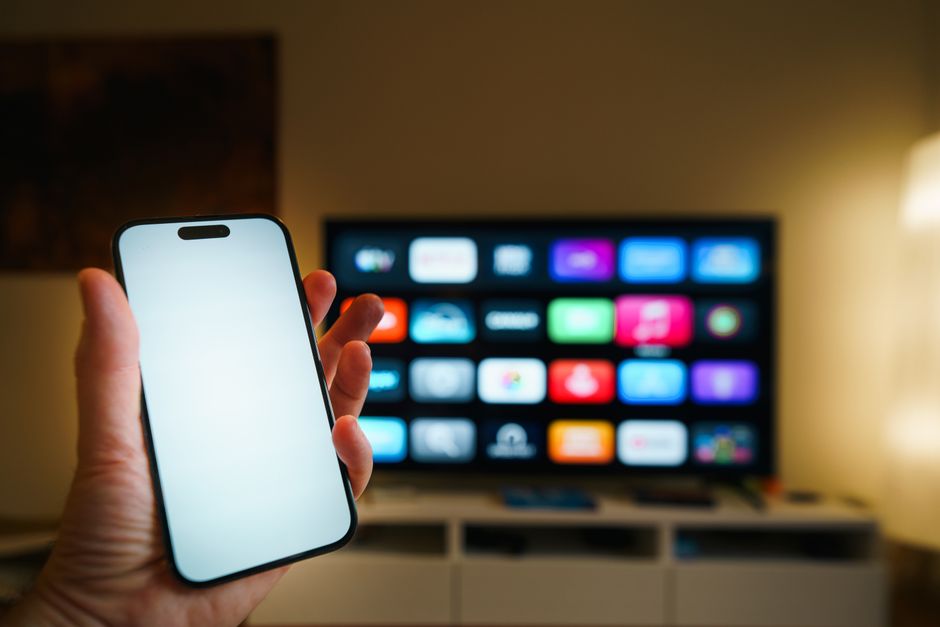
A smart display or a voice assistant can serve as a central hub for morning information. These devices can show the weather, calendar events, traffic updates, and news headlines. They can also control other smart devices, such as lights, thermostats, and coffee makers, through voice commands or a unified interface. For example, asking the assistant to start coffee while simultaneously turning on the lights can streamline several steps.
When incorporating a smart display into a morning routine, placement is important. A kitchen counter may be ideal for viewing recipes and timers, while a bedside table could be used for alarms and weather. The device’s functionality depends on the ecosystem it supports, whether it uses Amazon Alexa, Google Assistant, or another platform. Integration with other smart home devices is crucial for a cohesive experience. Additionally, privacy considerations are relevant, as these devices may continuously listen for wake words. Users should review privacy settings and decide what information is shared. While a smart display can organise information, it does not replace human judgment; it simply presents data in a convenient format. The user still decides what actions to take based on that information.
Smart Alarm Clocks: Beyond Sound
Traditional alarm clocks rely on sound to wake users, but smart alarm clocks offer more nuanced approaches. Many have sleep tracking features that monitor sleep cycles and aim to wake the user during a light sleep phase within a set window. Some also incorporate light, sound, or vibration to provide a more gradual wake-up. These clocks often connect to other smart devices, enabling a coordinated morning routine.
When selecting a smart alarm clock, it is useful to consider the sensor technology, whether it uses radio waves or a contact pad, and the comfort of the user. Some clocks have a bedside lamp that brightens gradually, while others use a gentle sound. The goal is to avoid abrupt awakenings, which can be jarring. However, results vary; sleep patterns are complex, and the device may not always time the wake-up perfectly. It is also important to set the device correctly and to maintain a consistent sleep schedule for best results. Smart alarm clocks can be part of a holistic approach to morning wakefulness, but they are not a solution for underlying sleep issues. They offer an alternative to the traditional alarm, with the hope of a more natural transition from sleep to wakefulness.
Integrating Devices for a Cohesive Routine
Individual smart devices can be helpful, but their full potential is often realized when they work together. Creating a morning routine in a smart home hub can chain actions. For example, a light turns on gradually, followed by the coffee maker warming up, and then a smart display shows the day’s schedule. This kind of automation requires careful planning and setup. It is important to ensure that all devices are compatible and that the sequences are reliable.
When designing a smart morning, it is advisable to start small. Introducing too many devices at once can be overwhelming. Instead, identify the most time-consuming or disruptive parts of the current routine and address them first. For example, if mornings are chaotic, a simple routine with a smart light and a coffee maker might make a difference. After a period of use, adjustments can be made. It is also essential to have a manual fallback; if the internet goes down or a device fails, the routine should still be feasible. Smart technology should be an aid, not a dependency. By understanding the functions and limitations of each device, individuals can create a morning routine that aligns with their lifestyle and preferences, without expecting guaranteed outcomes. The effectiveness of any smart system will depend on consistent usage, proper maintenance, and the individual’s adaptation to the new workflow.